Quick Answer: Primary vs. Secondary Psych Injuries
In Western Australia, the difference between primary and secondary psychological injuries can significantly impact your workers’ compensation entitlements. Primary psychological injuries result directly from workplace incidents, while secondary psychological injuries develop as a consequence of physical injuries sustained at work. Understanding this distinction is crucial when determining a person’s whole person impairment and whether they can access a common law claim.
Understanding Primary vs. Secondary Psychological Injuries
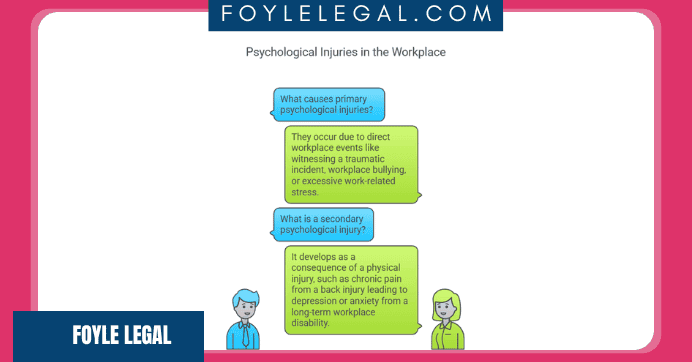
Psychological injuries in workers’ compensation fall into two categories:
- Primary Psychological Injury – This occurs due to a direct workplace event, such as witnessing a traumatic incident, workplace bullying, or excessive work-related stress leading to PTSD or anxiety.
- Secondary Psychological Injury – This usually develops due to a physical injury sustained at work. For example, chronic pain from a back injury may lead to depression or anxiety.
For broader questions about stress claims, bullying, medical evidence, payments, and disputes, the psychological injury workers comp FAQ may help explain how these issues fit within a WA workers compensation claim.
Why This Distinction Matters in Work-Related Injuries in WA
The classification of your psychological injury affects what compensation you may receive:
- Both Primary Psychological injuries and Secondary Psychological history can contribute to a person’s incapacity and need for treatment in a worketrs compensation claim. This in term is relevant to the weekly payments, medical expenses, and lump-sum payouts they receive.
- Primary Psychological Injuries – The worker’s degree of permanent impairment can be assessed. This includes their whole person impairment arising from the injury at work. Under the workers’ compensation scheme, if the injured worker has a whole person impairment of not less than 15%, they can elect to pursue a negligence claim against their employer regarding their workplace injury.
- Secondary Psychological Injuries – Permanent Impairment cannot be assessed. In most cases a secondary psychological illness may increase the amount payable in a settlement for medical and treatment expenses.
Impact of Secondary Psychological Injuries on Compensation and Permanent Whole of Person Impairment (PWPI)
What Changed in the New Workers’ Compensation and Injury Management Act 2023?
In the Workers Compensation and Injury Management Act 2023, the term Whole Person Impairment (WPI) has been replaced with “permanent whole of person impairment” (PWPI) to clarify how injuries affect workers’ compensation entitlements.
Key Updates in the New Legislation
- Terminology Change – “Permanent whole of person impairment” replaces “Whole Person Impairment” for better clarity.
- Assessment Process – Under Section 79, workers can request an assessment of their degree of impairment, which determines eligibility for compensation.
- Compensation Thresholds – A minimum of 15% impairment is required to qualify for certain compensation benefits, including an increase in the medical expenses amount or accessing a common law claim.
How Secondary Psychological Injuries Affect PWPI Assessments and Compensation
Permanent Whole of Person Impairment (PWPI) Assessments
- Primary Psychological Injuries – If a worker has a 15% or higher PWPI rating, they can elect to sue their employer in negligence.
- Secondary Psychological Injuries – Excluded from PWPI calculations. Any psychological symptoms resulting from a physical injury (secondary psychological injuries) do not contribute to an overall impairment rating.
Compensation Implications for Secondary Psychological Injuries
- No Permanent Impairment Payments – Since secondary psych injuries do not contribute to PWPI calculations, lump sum payouts for permanent impairment are not available.
- Medical and Treatment Coverage – Workers can still claim medical expenses, therapy, and medication related to secondary psychological injuries.
Real-World WA Case Scenarios

Primary Psychiatric Injury Example
An example of a primary psychiatric injury occurred where a beam collapsed and a scaffolder fell several metres. After this accident, he experienced re-experiencing phenomena (e.g. recurrant nightmares). His diagnosis was PTSD. This type of injury would be considered a primary work-related psychological condition.
Secondary Psychiatric Injury Example
A worker suffers injury as a result of his knee collapsing in the course of a return to work program. He is totally unfit for work and unable to leave the house. His treating medical practitioners state that he will not be able to return to his pre-injury employment as a boiler maker. He becomes depressed as a result. This would be considered a secondary work-related psychological condition.
Combined Primary and Secondary Psychiatric Condition Example
A worker is injured in a motor vehicle accident. The extent of the accident is severe and he is in a coma for one week. When he awakes he has reoccurring memories of firefighters cutting him out of the car which make him hyperventilate. He is diagnosed with PTSD. One year passes. He is unable to return to his pre-injury hobbies of playing tennis and golf and becomes depressed. One can see that this example contains primary and secondary components. Permanent impairment would be assessed by a psychiatrist on the primary components but not the secondary components. The psychiatrist may say 50% of the impairment is primary impairment.
Financial Compensation Breakdown
- Weekly Payments – Compensation for lost wages based on work capacity.
- Medical Expenses – Coverage for therapy, psychological treatment, and medication.
- Lump Sum Payments – Only for primary psychological injuries if impairment exceeds 15%.
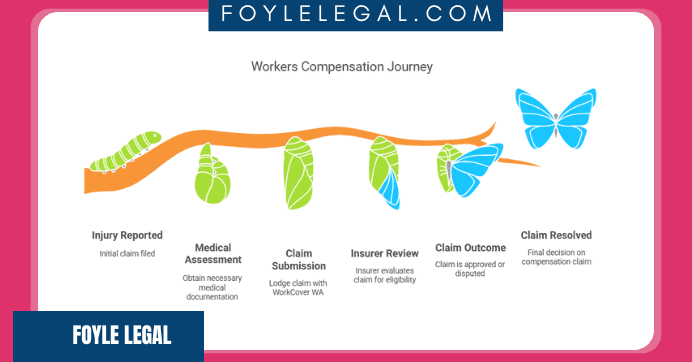
Timeline for the Claims Process
- Report the Injury – File a report with your employer as soon as possible, ideally within 72 hours, to avoid dispute.
- Seek Medical Assessment – Obtain a medical certificate and psychological evaluation.
- Lodge Your Claim – Submit paperwork to WorkCover WA.
- Insurer Review – The insurer reviews your claim and determines eligibility.
- Approval or Dispute – The claim is either approved or contested.
Top 3 Mistakes That Get Claims Rejected
- Failing to Report the Injury on Time – Many claims are denied because workers wait too long to report their injuries. In WA, you should notify your employer as soon as possible to strengthen your case.
- Lack of Medical Evidence – Insurers often deny claims that lack sufficient medical documentation. Always get a WorkCover WA-approved medical certificate from a GP or psychiatrist.
- Accepting an Insurer’s Initial Decision Without Challenge – Insurers sometimes understate impairment ratings to minimize payouts. If your rating seems low, request an independent medical review or seek legal advice.
Maximizing Your Compensation Claim – A Practical Guide
Injured workers often struggle to navigate the complex compensation system in Western Australia. Whether you’re filing a personal injury claim for a work injury, accident compensation, or rehabilitation, understanding the process can improve your chances of success. Here are key strategies to help you maximize your injury compensation:
- Know Your Rights – The Workers Compensation and Injury Management Act 2023 outlines entitlements for injured workers in WA. If you have a personal injury, you may be entitled to a lump sum under certain conditions.
- Seek Legal Advice Early – A workers compensation lawyer or injury lawyer can ensure you receive fair treatment from insurance companies and help you challenge unfair impairment assessments.
- Gather Strong Medical Evidence – Whether it’s a work injury, medical negligence, accident injury, or car accident injury compensation, having thorough medical documentation strengthens your workers compensation claim.
If you’re dealing with an injury or illness and seeking accident compensation, consulting a personal injury lawyer can significantly impact your claim’s success.
Work Injury Compensation Appeals Process
If your claim is rejected:
- Request a Review – You can formally challenge the insurer’s decision through WorkCover WA.
- Seek Legal Representation – A workers’ compensation lawyer can help appeal unfair decisions.
Common Insurer & Employer Tactics to Watch For
- Delaying Claim Processing – Insurers may stall claims, causing unnecessary delays.
- Undervaluing Impairment Ratings – Initial impairment ratings may underestimate psychological impact.
- Denying Claims Based on Pre-Existing Conditions – Employers and insurers may argue a psychological injury existed before the workplace event.
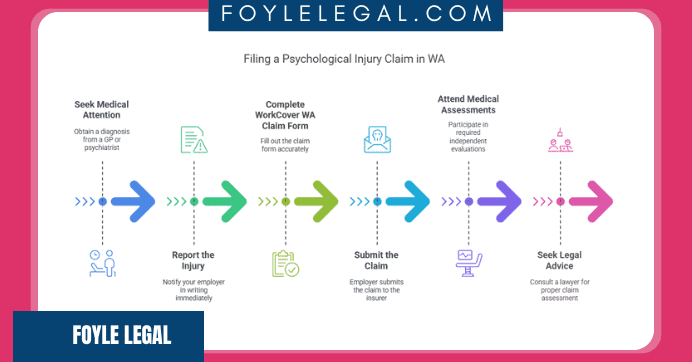
Step-by-Step Guide to Filing a Psychological Injury Claim in WA
- Seek Medical Attention – Get a diagnosis and injury certificate from a GP or psychiatrist.
- Report the Injury – Notify your employer in writing as soon as possible.
- Complete a WorkCover WA Claim Form – Ensure all details are accurately provided.
- Submit the Claim – Lodge the form with your employer, who must forward it to the insurer.
- Attend Medical Assessments – If required, undergo independent evaluations.
- Seek Legal Advice – A workers’ compensation lawyer can ensure your claim is properly assessed.
Resources and References
- WorkCover WA Guides for the Evaluation of Permanent Impairment
- Workers Compensation and Injury Management Act 2023 (WA)
- Foyle Legal – WorkCover Lawyers
- Foyle Legal – No Win No Fee Workers’ Compensation
- Foyle Legal – Free Claim Check
Final Thoughts
Understanding the difference between primary and secondary psychological injuries is essential when settling a workers’ compensation claim in Western Australia. If your claim has been denied, or you’re unsure about your entitlements, seek legal guidance to ensure you receive the compensation you deserve.

Get Results for Your Injury Claim!
We Have Hundreds of Client Testimonials Just Like This One!
Get the Compensation You Deserve
Enquire Now, No Obligation

Claim your free initial legal advice worth $580!
Talk to a Real WA Lawyer Today
- No win no fee lawyers – nothing to pay upfront, no hidden costs, and disbursement assistance.
- Top-rated, WA law firm – recognised by clients and peers for our experience, with 300+ 5-star reviews on Google, Facebook and Trustpilot.
- Obligation-free assessment – maximise your fair compensation and we handle your claim end-to-end.
- We help clients to fight back against insurers every day – 100+ years of combined personal injury experience.
Offices in Perth CBD & Malaga. Serve all WA.
Talk to a Real WA Lawyer Today
- No win no fee lawyers – nothing to pay upfront, no hidden costs, and disbursement assistance.
- Top-rated, WA law firm – recognised by clients and peers for our experience, with 300+ 5-star reviews on Google, Facebook and Trustpilot.
- Obligation-free assessment – maximise your fair compensation and we handle your claim end-to-end.
- We help clients to fight back against insurers every day – 100+ years of combined personal injury experience.
Offices in Perth CBD & Malaga. Serve all WA.